This article was developed by Scootboot, major partner of Pony Club Australia
Spring often means more riding, and changing ground conditions. It is also a good time to take a closer look at your horse’s feet and ask: Has anything changed?
1. Know what is normal
When you pick out your horse’s feet, check the hoof wall, sole, frog, heels, bars and white line.
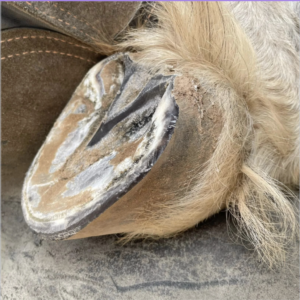 Look for:
cracks or chips
changes around the white line
changes to the frog
uneven wear
changes in hoof shape
unusual heat, tenderness or smell
If something concerns you, speak to your trimmer, farrier, hoof-care professional or veterinarian.
2. Think about the ground
Spring conditions vary across Australia.
Your horse may be moving between mud, wet paddocks, gravel, roads, arenas and increasingly firm ground.
At Pony Club, they may encounter several different surfaces in one day.
The important question is whether your horse is comfortable on the surfaces you are asking them to travel over.
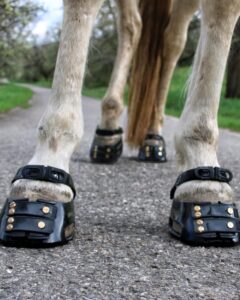
For barefoot horses, this is also a good time to consider whether temporary hoof protection such as Scootboots could help on harder, rockier or less familiar surfaces.
3. Watch how your horse moves
 Changes in movement can be an early sign that something is not quite right.
Watch for:
shorter strides
hesitation on gravel or hard ground
stumbling
reluctance to move forward
noticeable differences between surfaces
These signs can have many causes, but any persistent change in comfort or soundness deserves professional assessment.
4. Has their workload increased?
Spring can mean more competitions, trail riding and conditioning work.
As workload and terrain change, your horse’s hoof-management needs may change too.
That might mean reviewing trimming intervals, monitoring wear more closely or using additional protection when needed.
Scootboots can be fitted for riding and removed afterwards, giving barefoot horses protection when terrain or workload calls for it without changing their everyday hoof-management approach.
5. Barefoot does not have to mean unprotected
A horse can live comfortably barefoot but still benefit from protection on some surfaces.
Scootboots can provide temporary hoof protection for:
gravel and rocky terrain
hard tracks
trail riding
increased conditioning work
Pony Club activities where extra protection may be useful
The goal is not simply to be barefoot. The goal is a comfortable horse.
Correct fit is important, so if you are considering Scootboots, the Scootboot sizing team can help determine the most suitable model and size for your horse or pony.
 6. Remember spring pasture
Rapid spring pasture growth can be important to monitor, particularly for ponies, good doers and horses at increased risk of laminitis.
Keep an eye on body condition and any changes in movement or hoof comfort, and seek veterinary advice if you are concerned.
Your Five-Minute Spring Hoof Reset
Before your next Pony Club rally:
LOOK
Has anything changed?
FEEL
Is anything unusual?
WATCH
Is your horse moving comfortably?
THINK
Have their workload, terrain or pasture changed?
ACT
If something does not look or feel right, seek professional advice.
Spring is a great time to get back out riding. A quick hoof check can help make sure your horse is ready too.
 Support for PCA Members
Scootboot is proud to support Pony Club Australia, and correct fitting is important when choosing hoof boots. If you are considering Scootboots, the sizing team can help identify the most suitable option for your horse or pony.