Pony Club Promotes horse welfare first
Over time it has become the culture, a tradition or the “norm” to trim your horses’ hairs for a neat, polished look, particularly in some disciplines. However, when it comes to nose and ear hair, Pony Club takes a clear position: these hairs should not be removed or excessively trimmed.
Nose and ear hairs serve important protective functions. The fine hairs inside a horse’s nostrils act as a natural filter, trapping dust, dirt, and particles before they enter the respiratory system. Removing them can increase the risk of irritation, particularly in the dry, dusty environments often seen at rallies and competitions.
Similarly, the hair inside a horse’s ears helps protect the sensitive inner ear from debris, insects, and excessive noise. Horses rely heavily on their hearing, and these hairs play a key role in keeping them comfortable and protected.
Pony Club promotes horse welfare and education as core values. Leaving these hairs intact reinforces an important principle: good horsemanship is not just about appearance, but about understanding and respecting the horse’s natural needs. A well-presented horse is one that is healthy, comfortable, and cared for appropriately, not one that has been over-trimmed for cosmetic effect.
Creating a culture that supports this approach isn’t about strict enforcement it is however about shifting what riders see as “normal.”
It starts with education. When riders understand why ear and nose hair matter, it changes the decision from a grooming choice to a welfare decision. This understanding can be reinforced through rally discussions, certificate work, winning competitions and everyday conversations. Your club could include this topic in rally discussions, D certificate standards, and gear checks:
- What is the purpose of ear hair?
- What grooming practices support horse welfare?
- What’s the difference between tidy and over-trimmed?
When riders are asked these questions regularly, it becomes part of their thinking … not just a rule to follow.
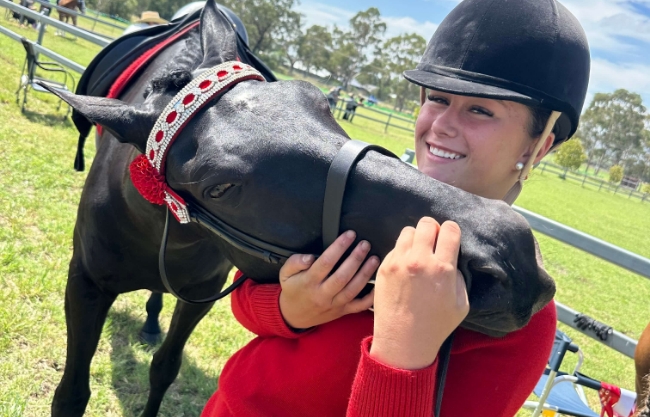
Role modelling is just as important. Coaches, officials, and senior riders set the tone. When they consistently present horses with natural ears and noses and speak confidently about why they have, it becomes the standard others follow. Riders, especially younger ones, learn by watching.
Consistency across all levels of Pony Club is essential. When everyone from instructors to gear checkers promote the same message, it removes confusion and reinforces the expected standards. Just as importantly, members should not be rewarded by winning competitions if the nose and ear hairs are trimmed. This only confuses Pony Club’s stance on trimming nose and ear hairs.
Over time, the goal is simple: riders choose not to trim ear and nose hair not because they’re told not to, but because they understand better. That is the foundation of a strong Pony Club culture … one where welfare comes first, and good horsemanship is reflected in every small decision made by everyone at Pony Club.
We should celebrate the behaviour we want to see. Compliment riders who present horses in a welfare-first way. Highlight it in newsletters, social media, awards and presentations. Culture grows where attention goes.
Over time, the goal is simple: a rider should look at a horse with trimmed ears and think, “That’s not how we do things,” not because they’ll get in trouble but because they know they are doing the best thing by their horse.
Take Action
If you have seen something that you believe breaches our Horse Welfare Policy, what can you do?
Coach, club official or event official
- Bring the matter to the attention of the individual or the parent or guardian in a private, non-confrontational manner.
- Provide them with a copy or a link to the Horse Welfare Policy
- Report on the Pony Club Report Form.
Riding or Supporting member
- Speak to the nearest official, coach, or event organiser so they can address the situation, don’t confront the individual yourself.
- Report on the Pony Club Report Form.
Pony Club’s approach is focused on education to change culture, so many issues are addressed more effectively through guidance and learning. However, disciplinary action may be taken where welfare standards are not met, to protect horses and maintain safe, consistent expectations for everyone. Disciplinary action is managed under the Complaints, Disputes and Discipline policy.
Useful links:
Pony Club Australia Horse Welfare Policy